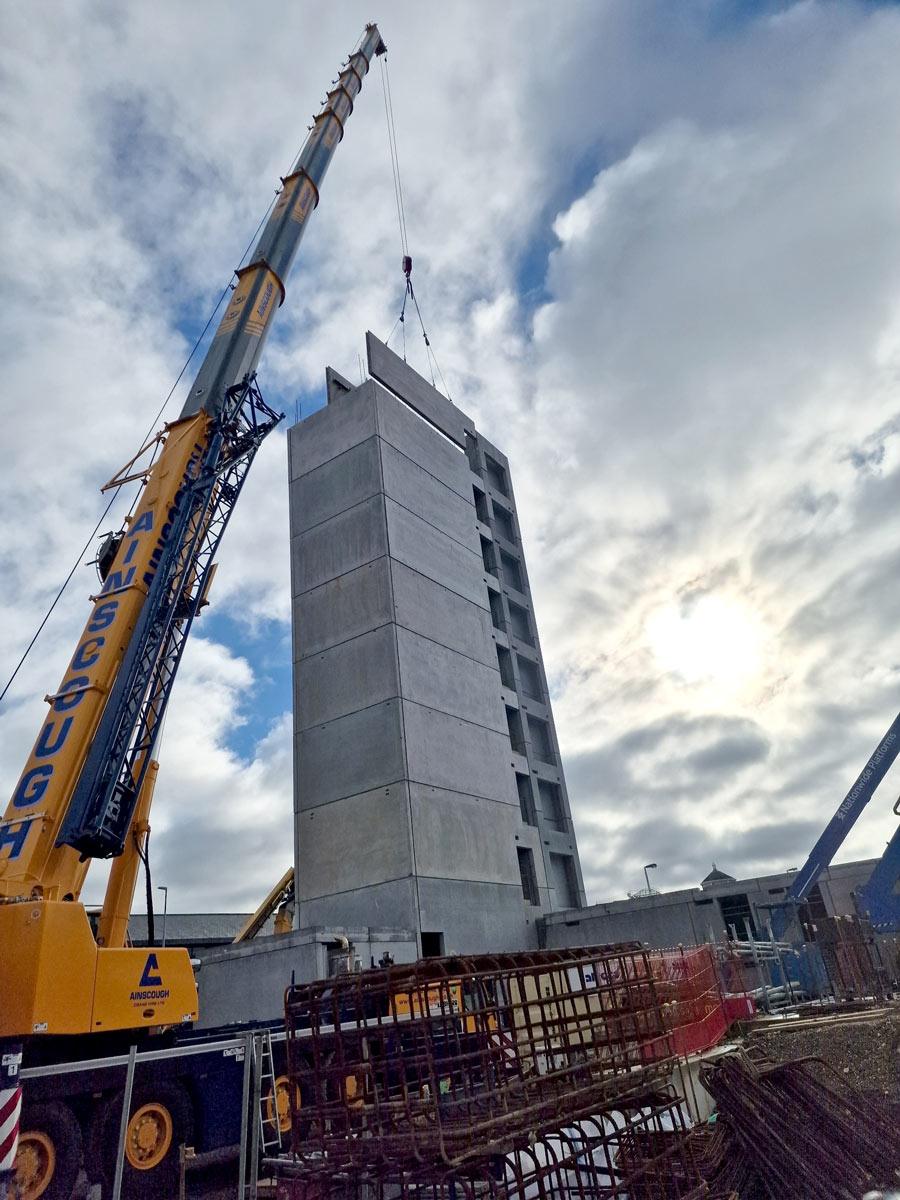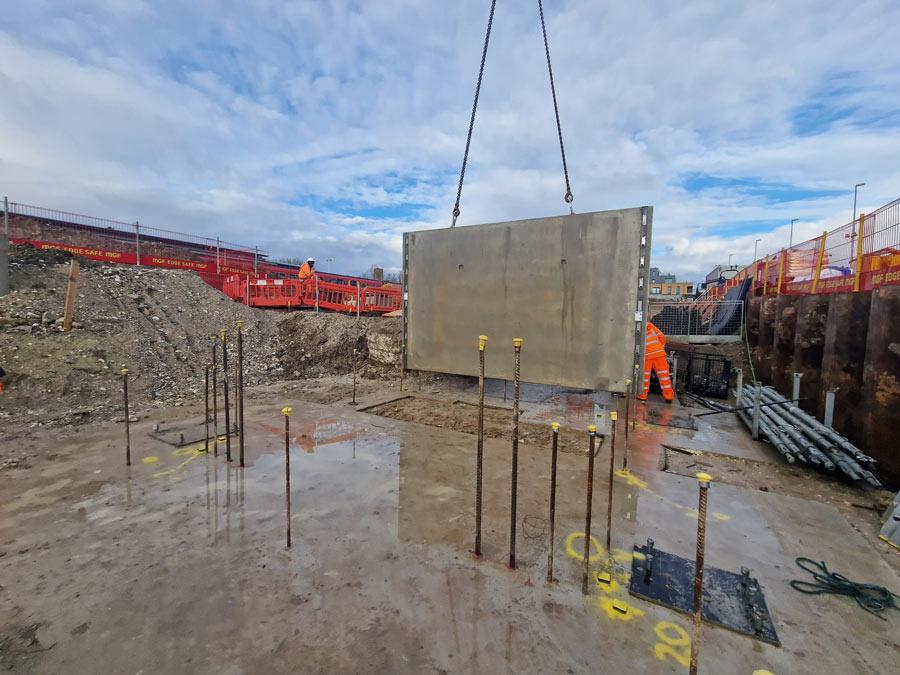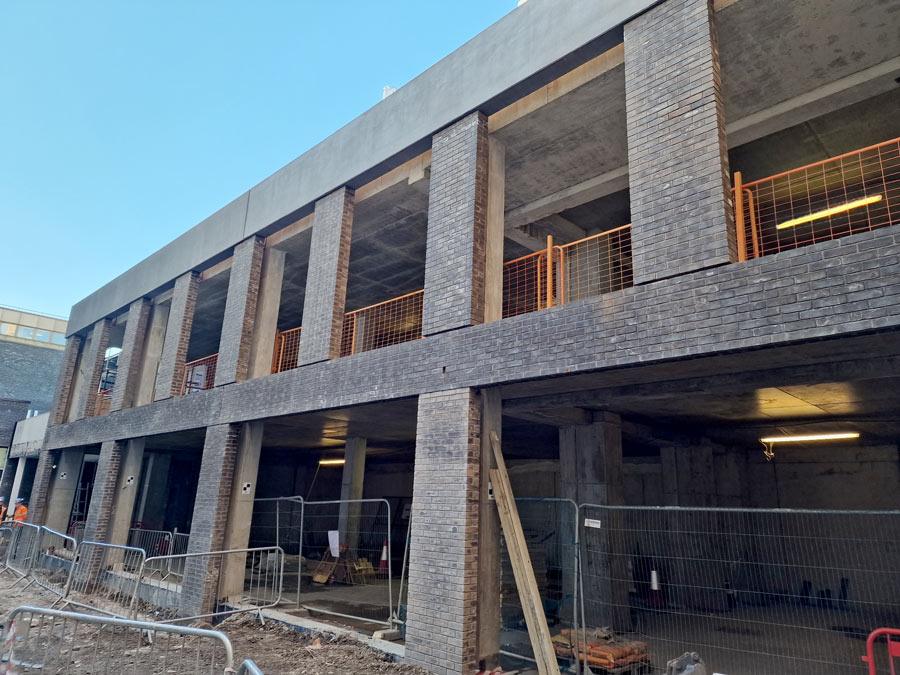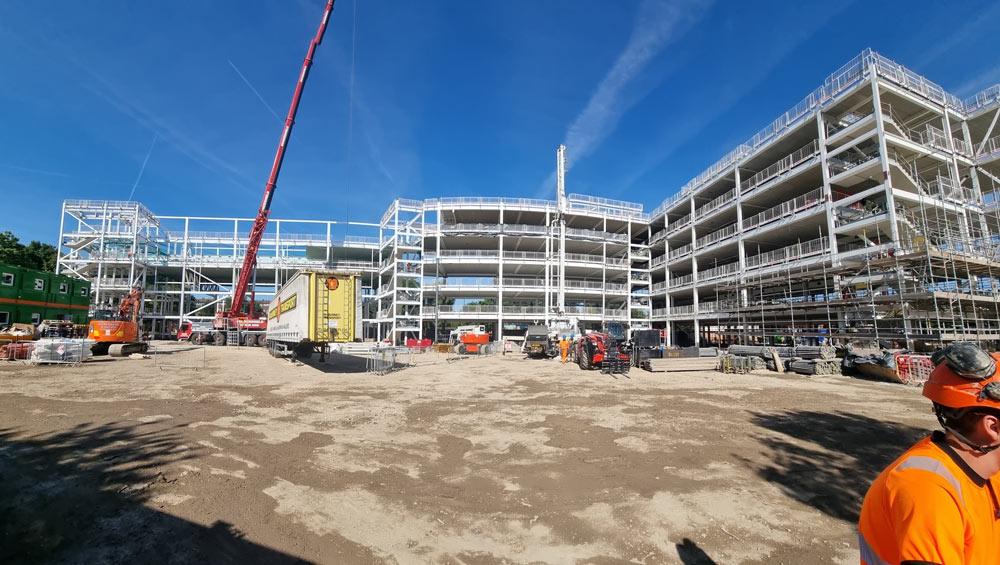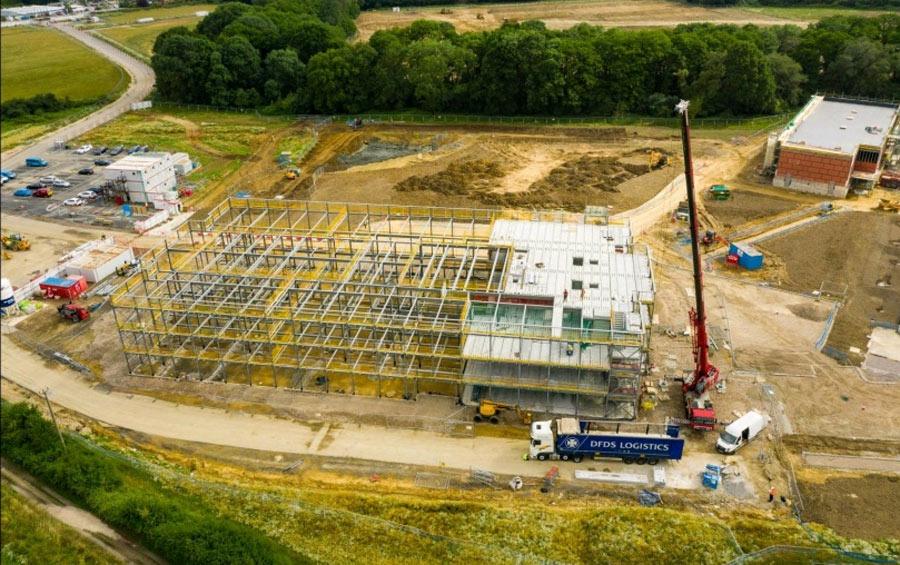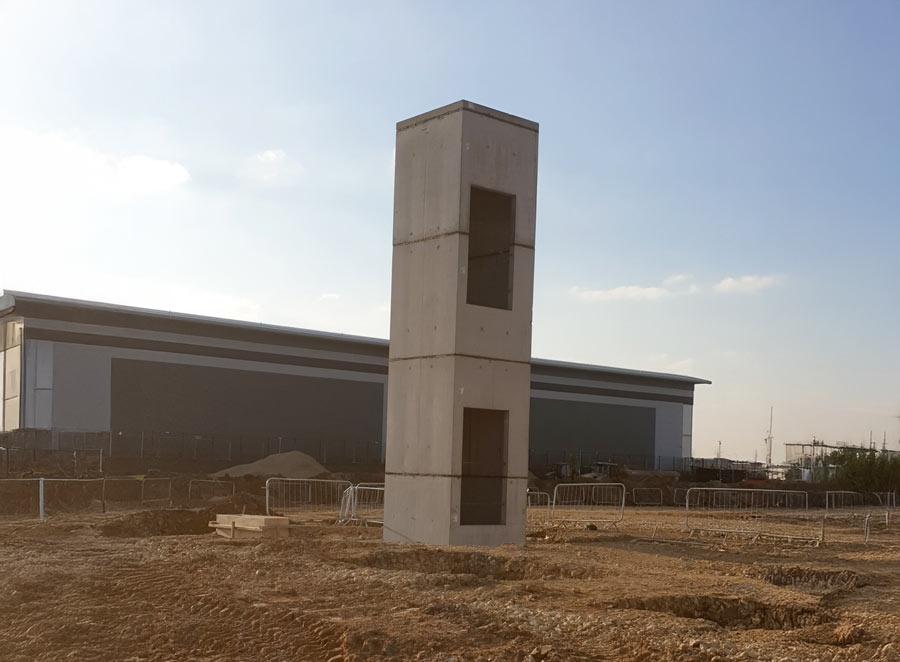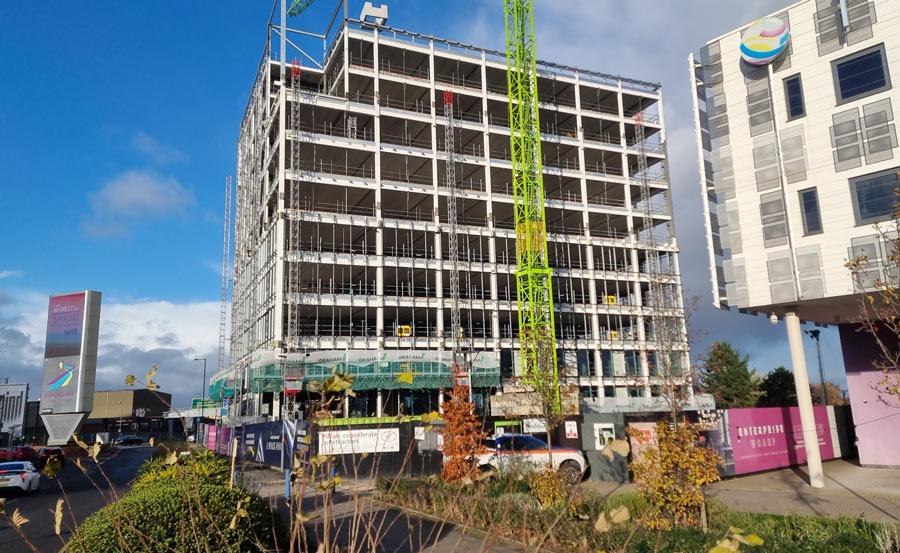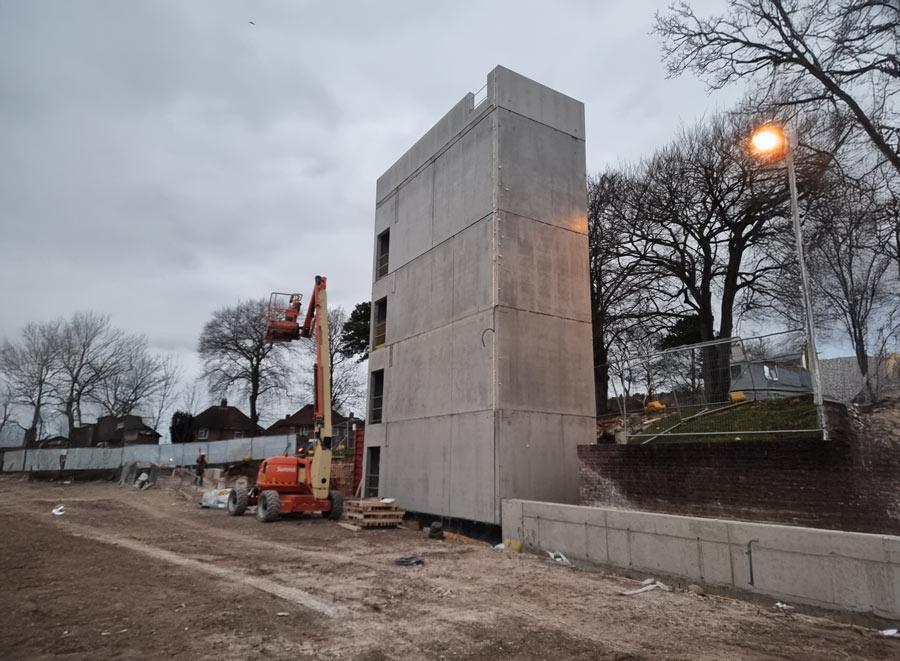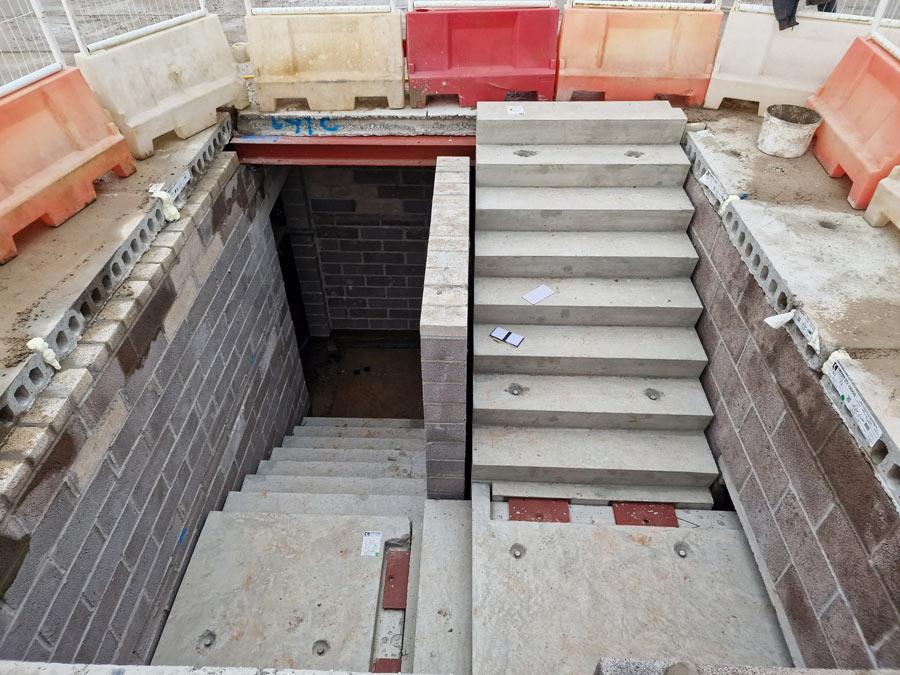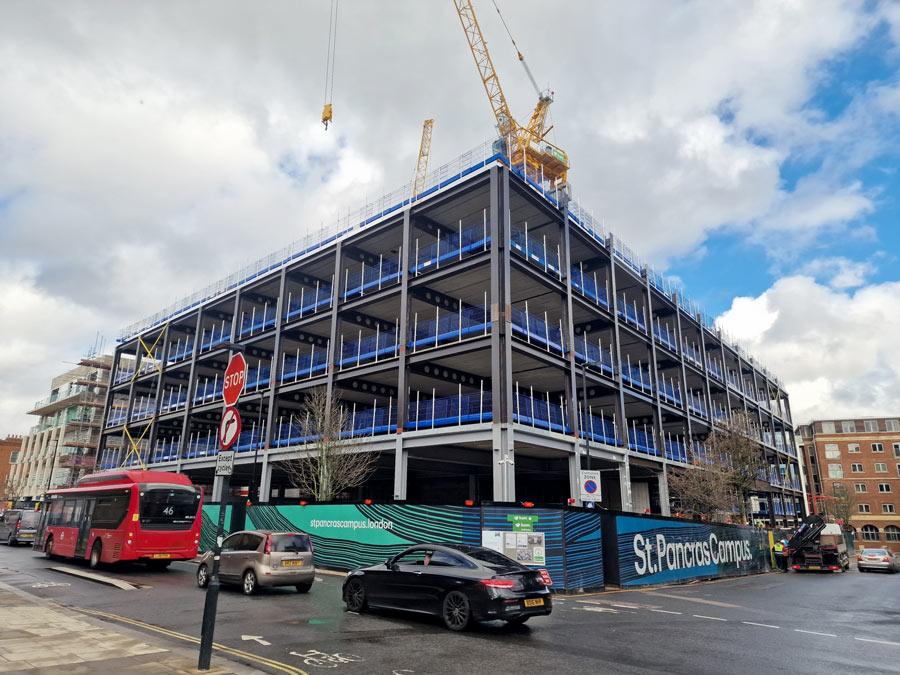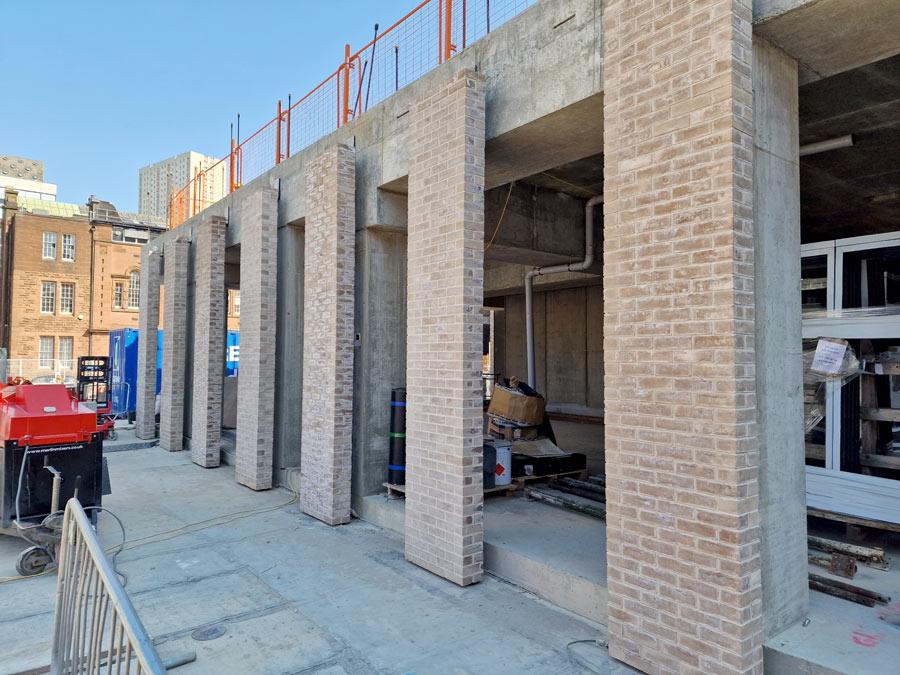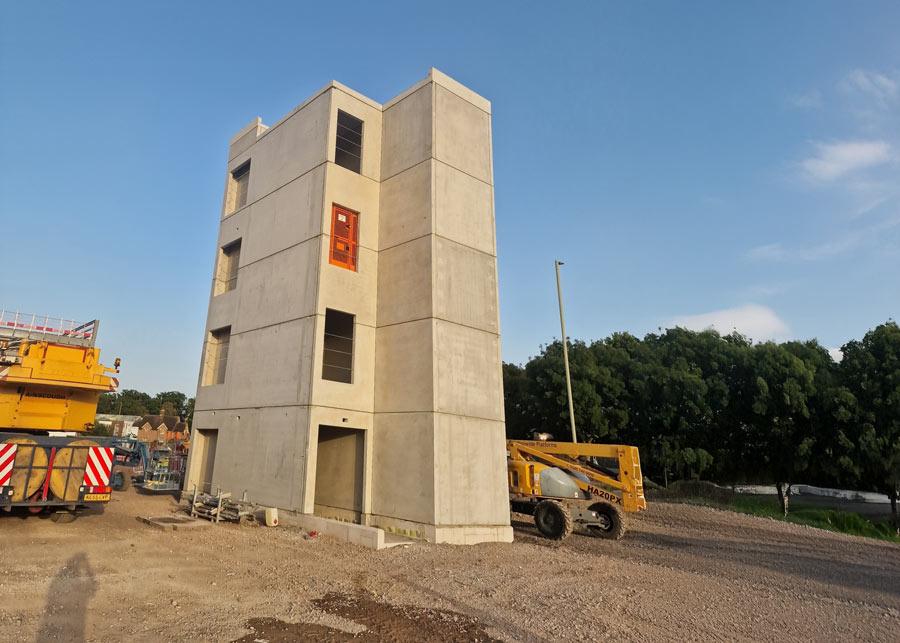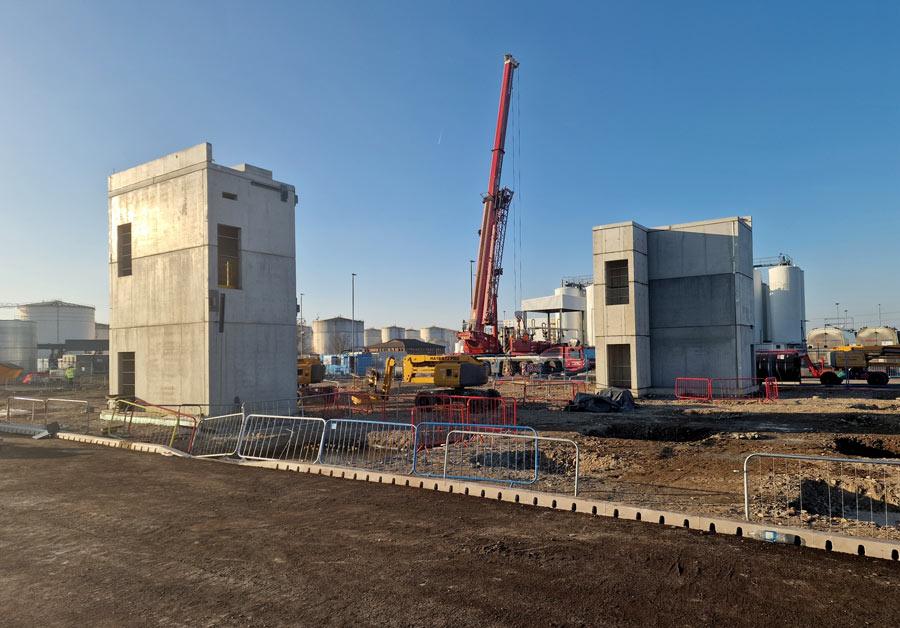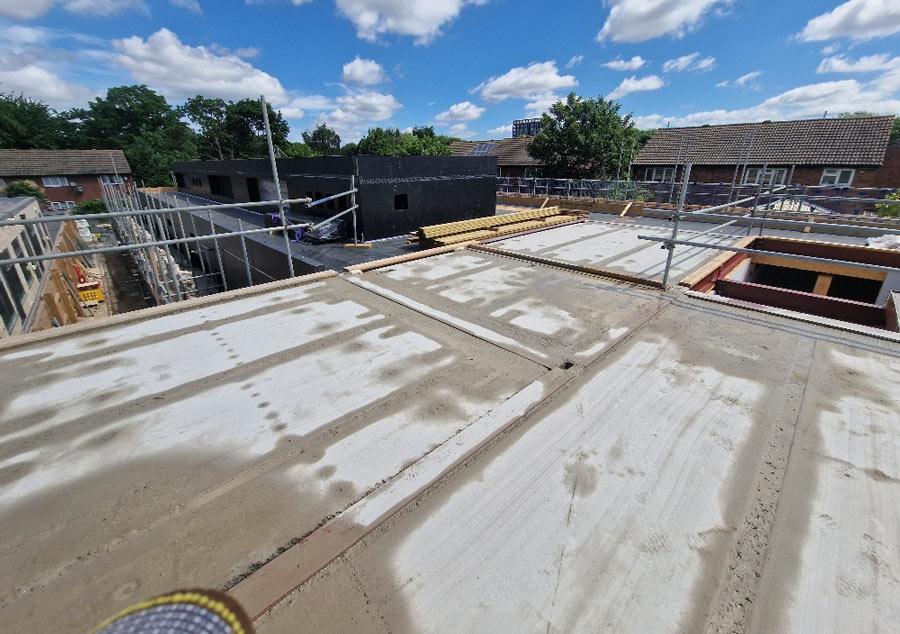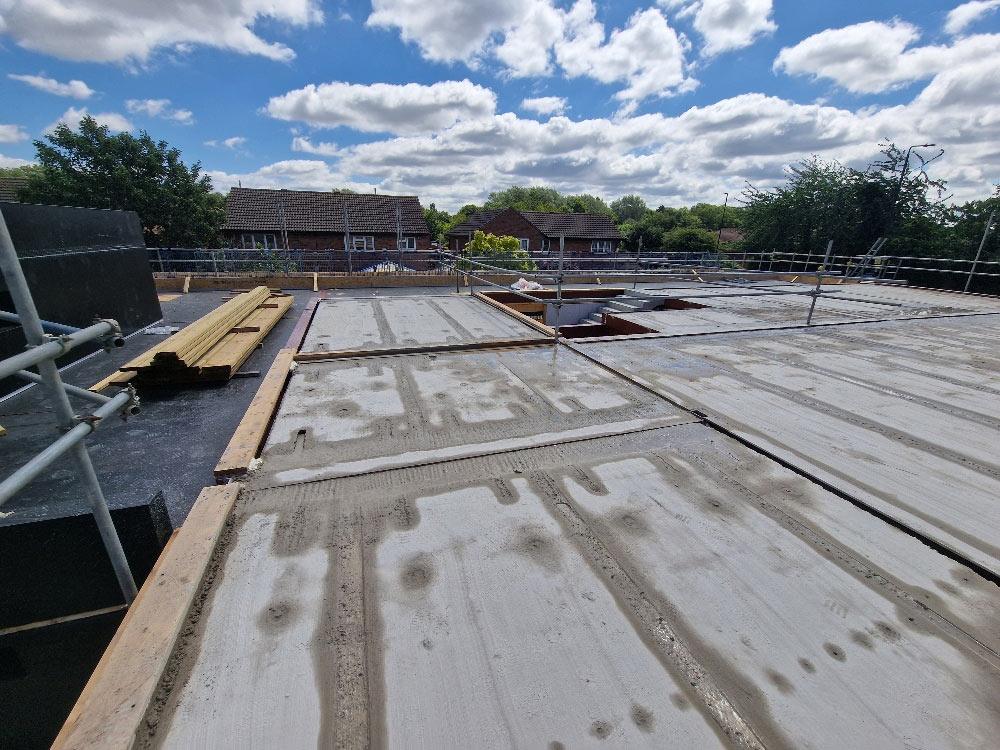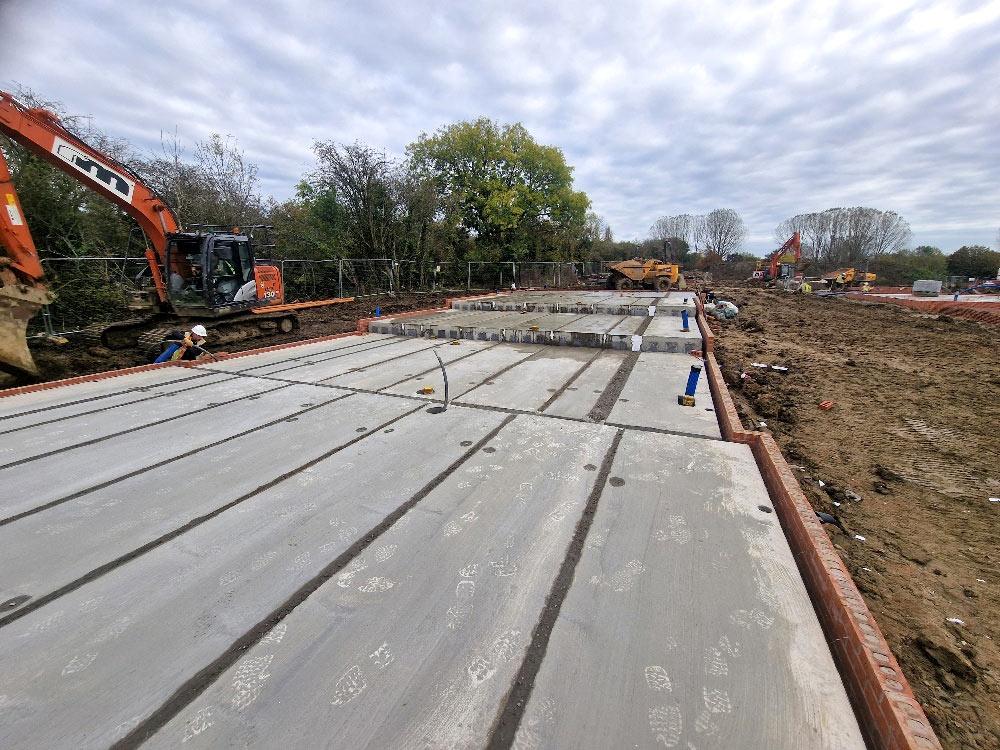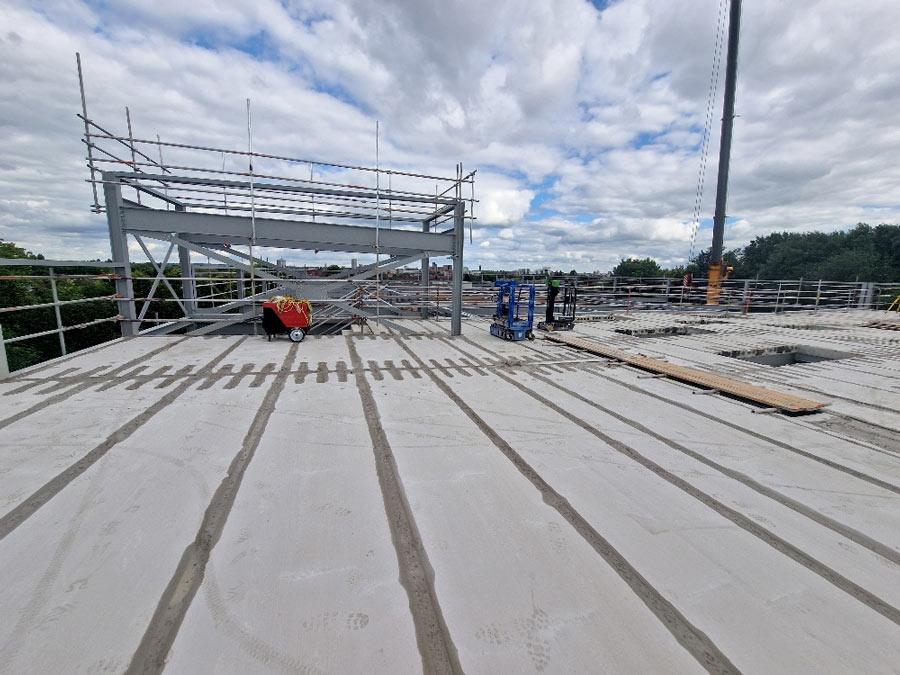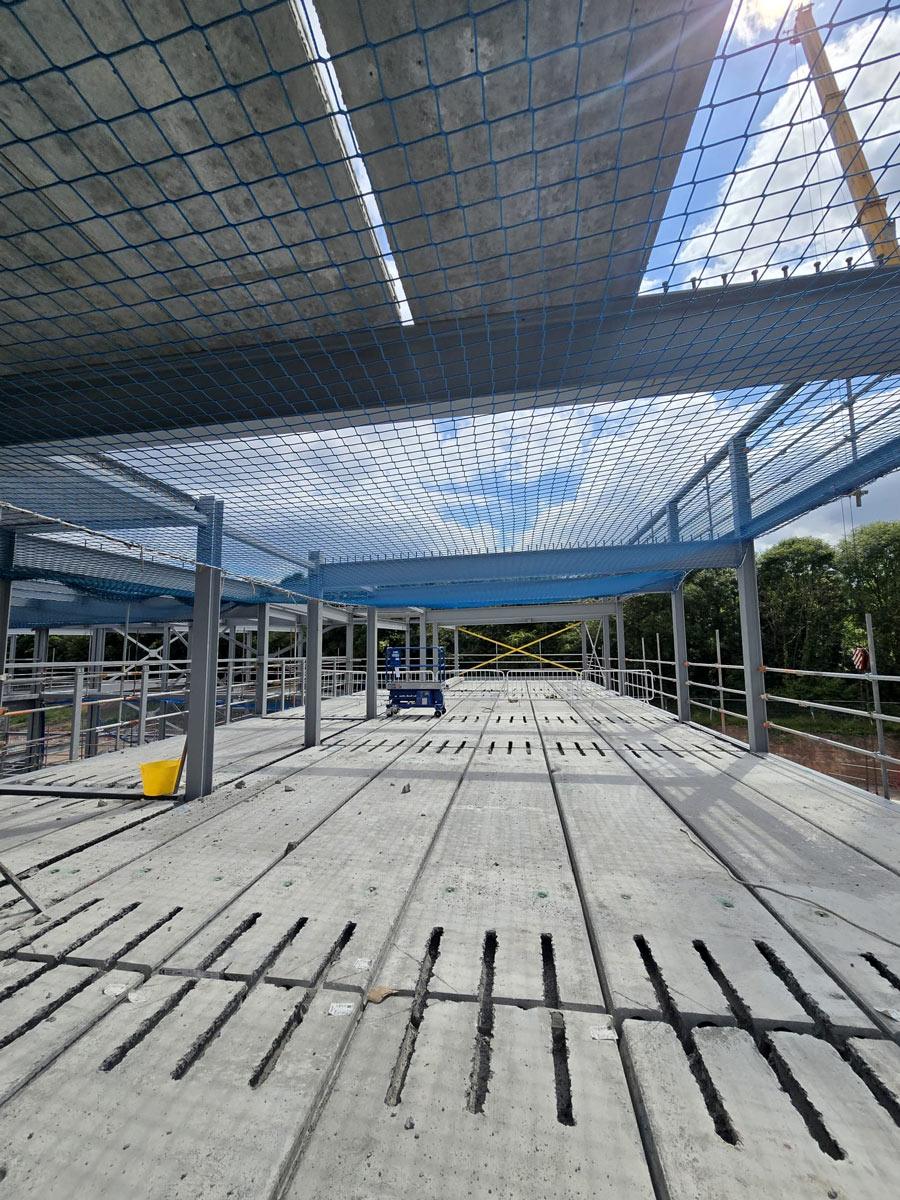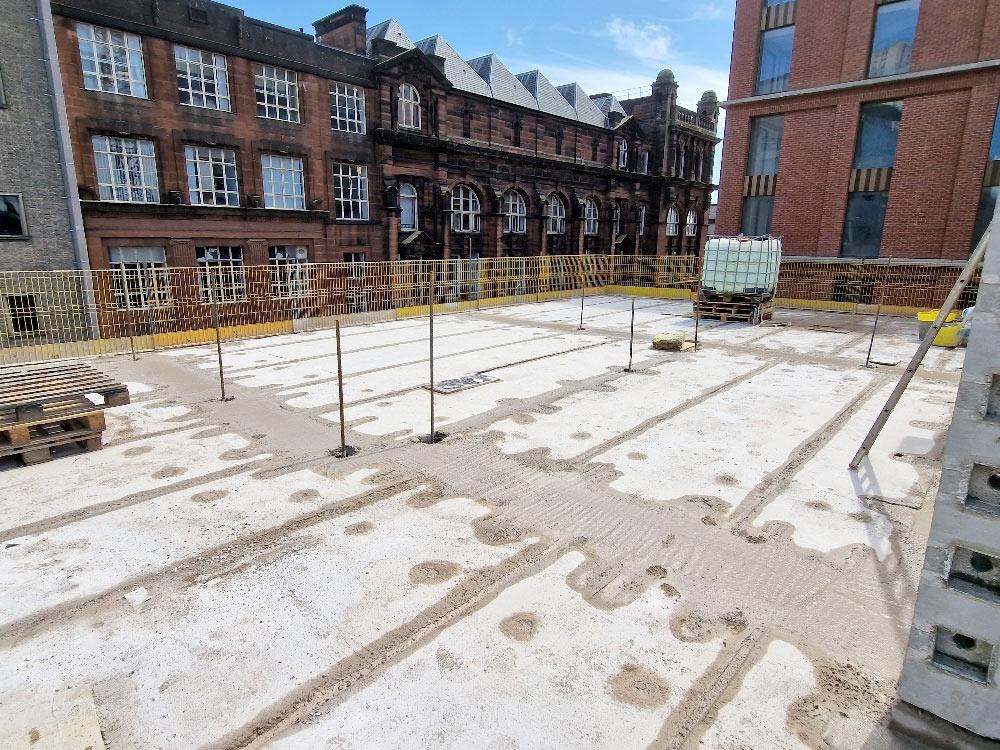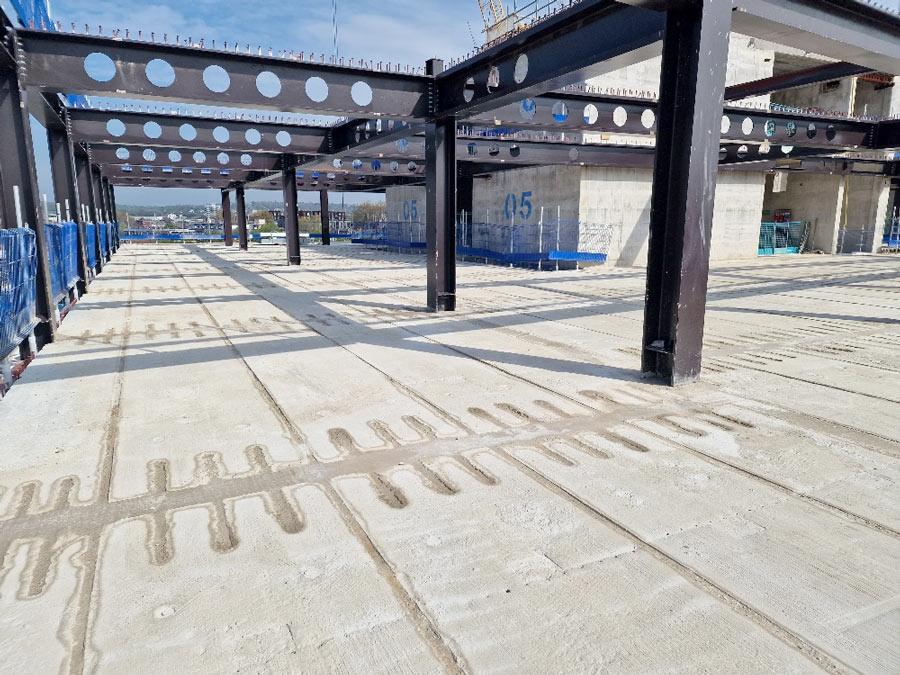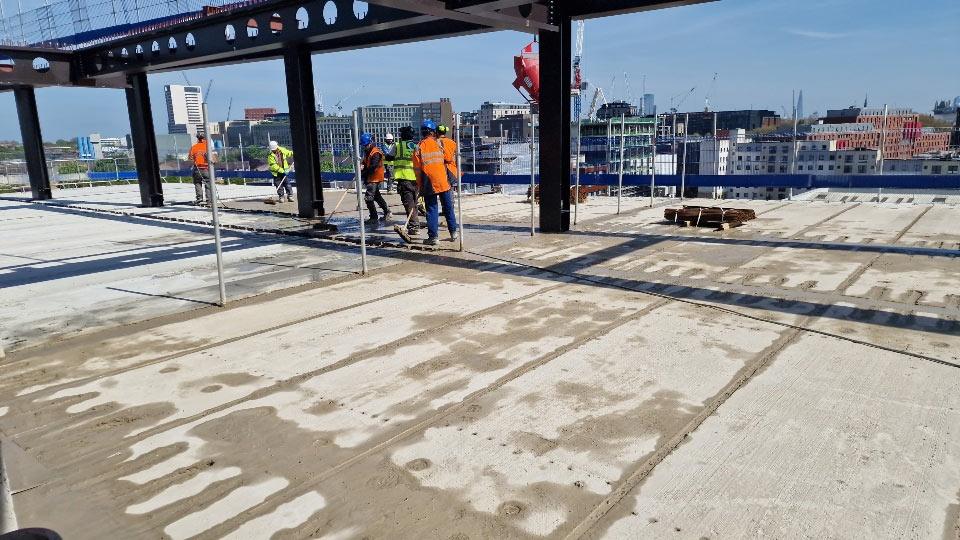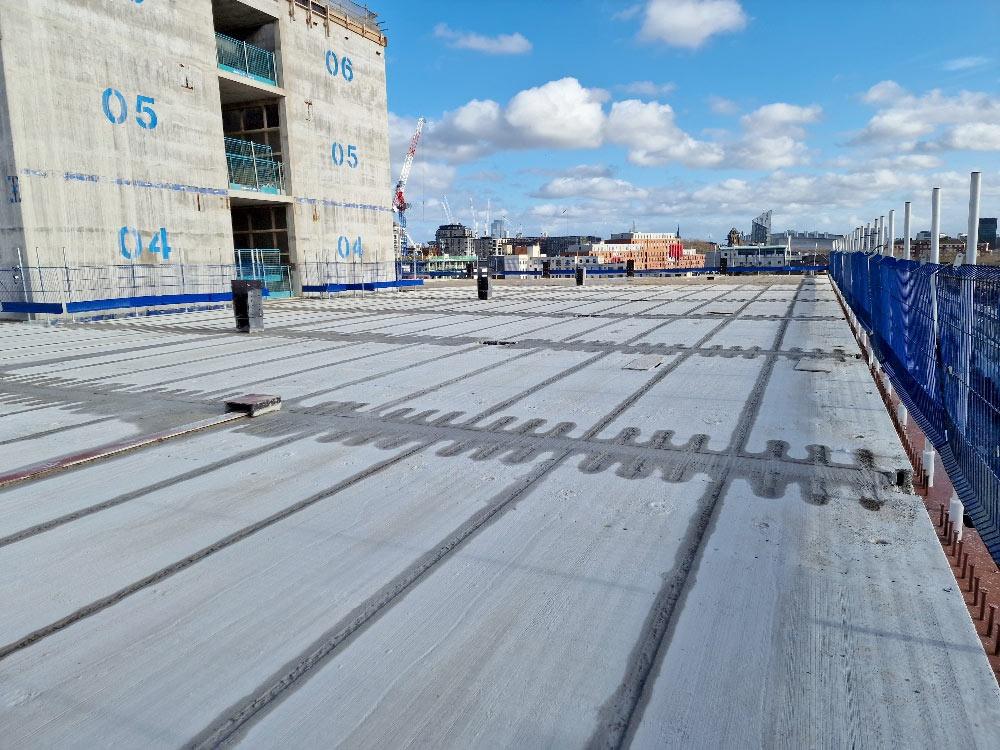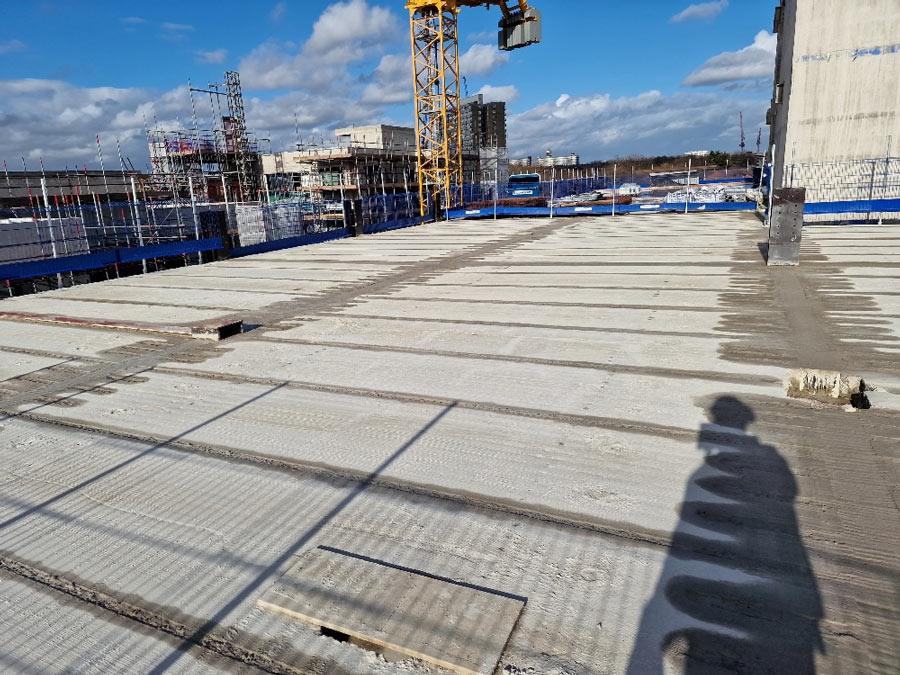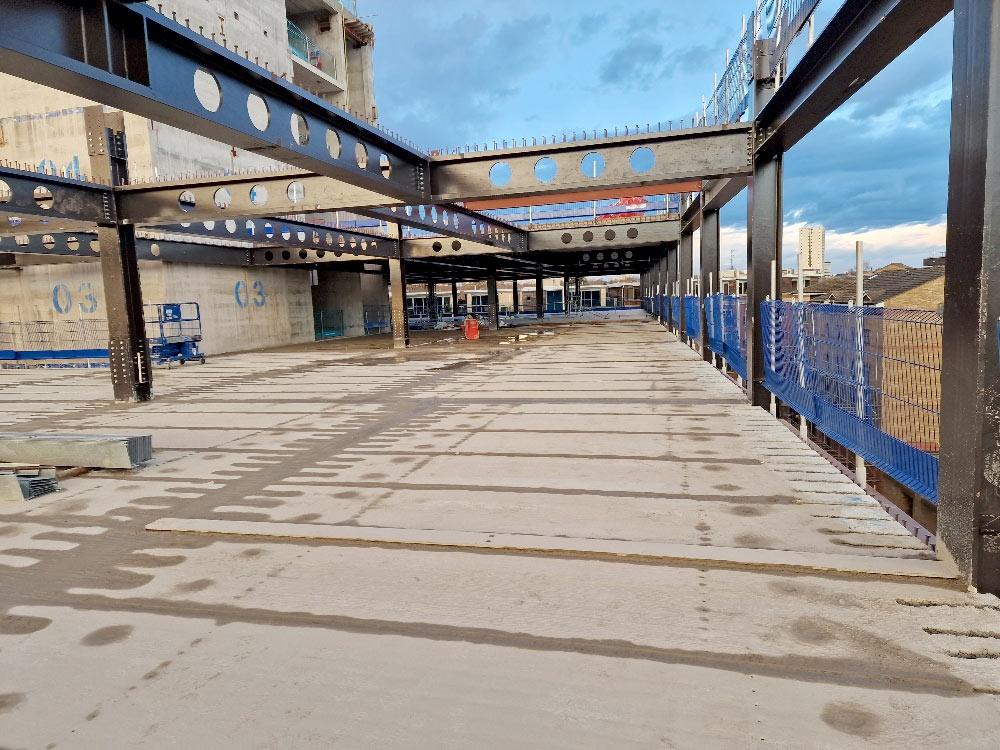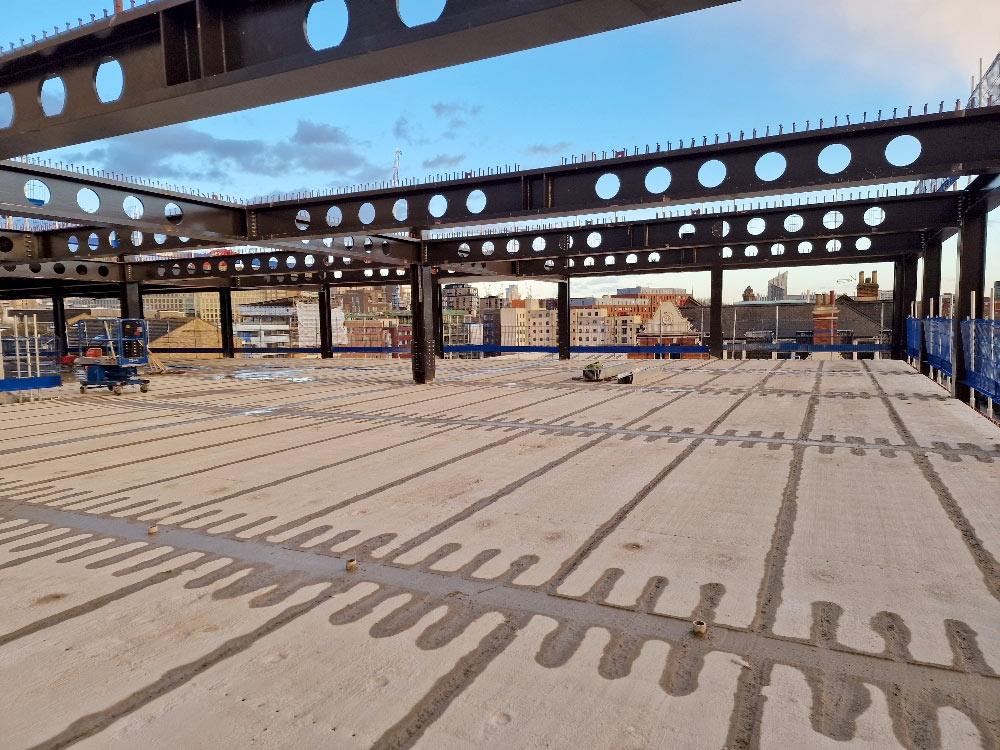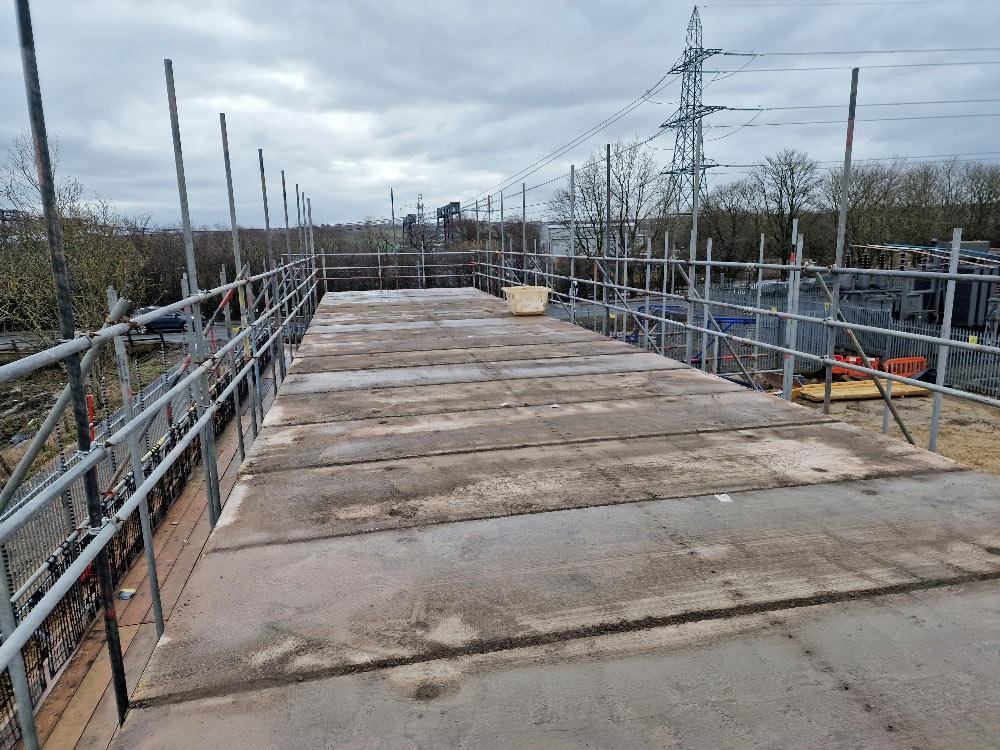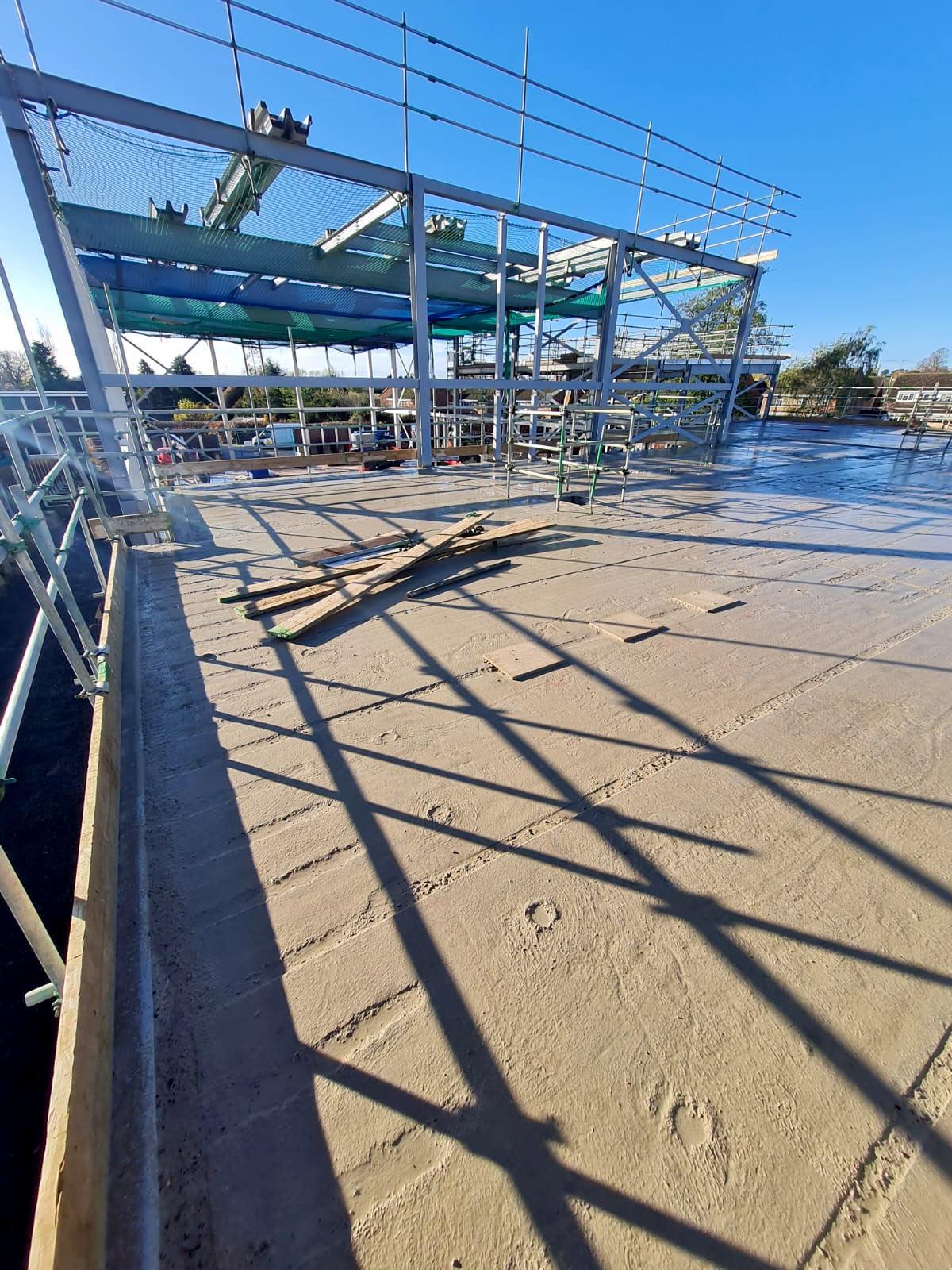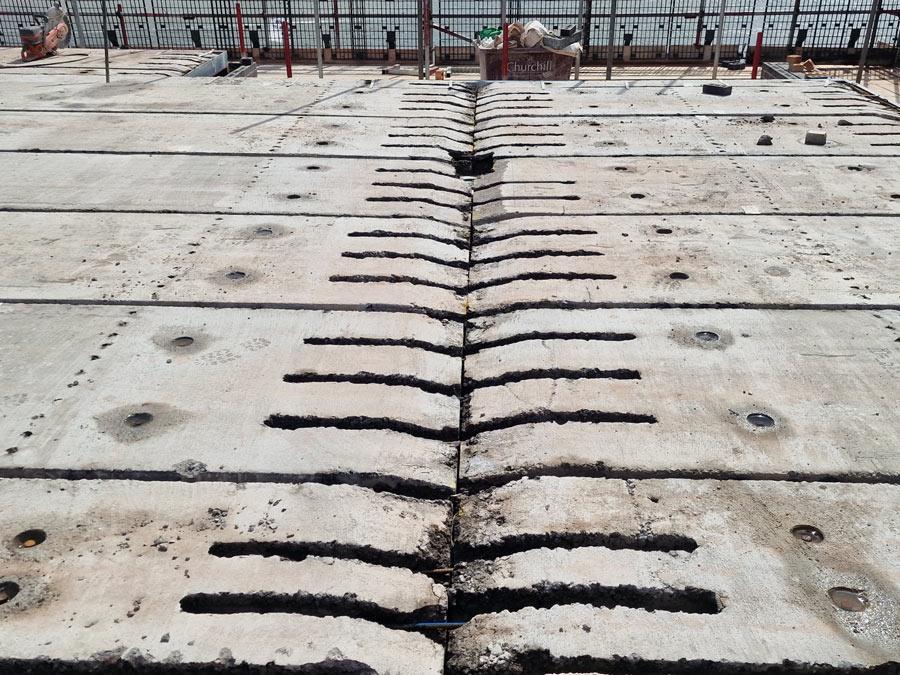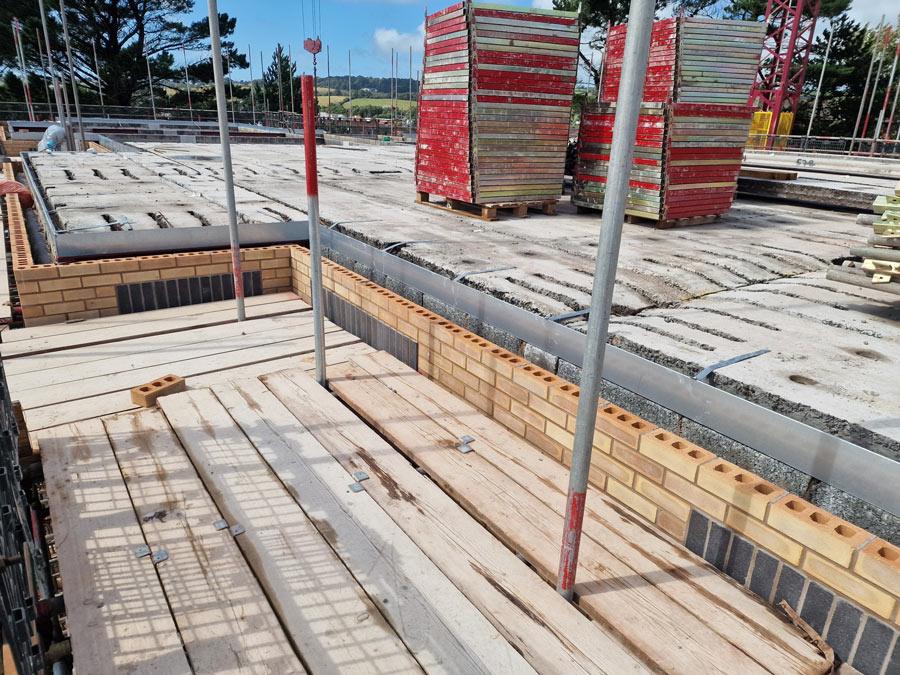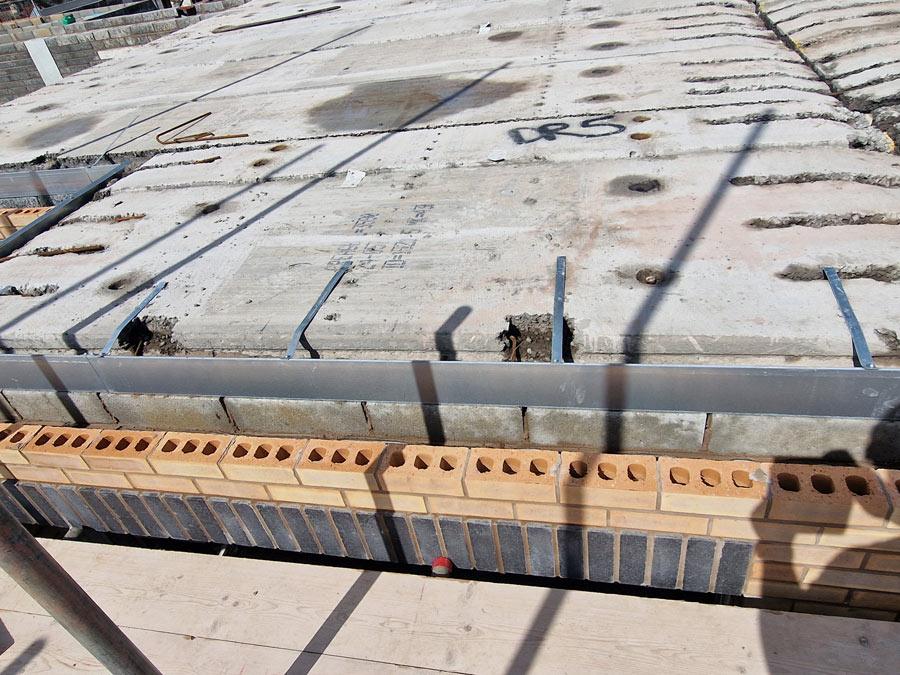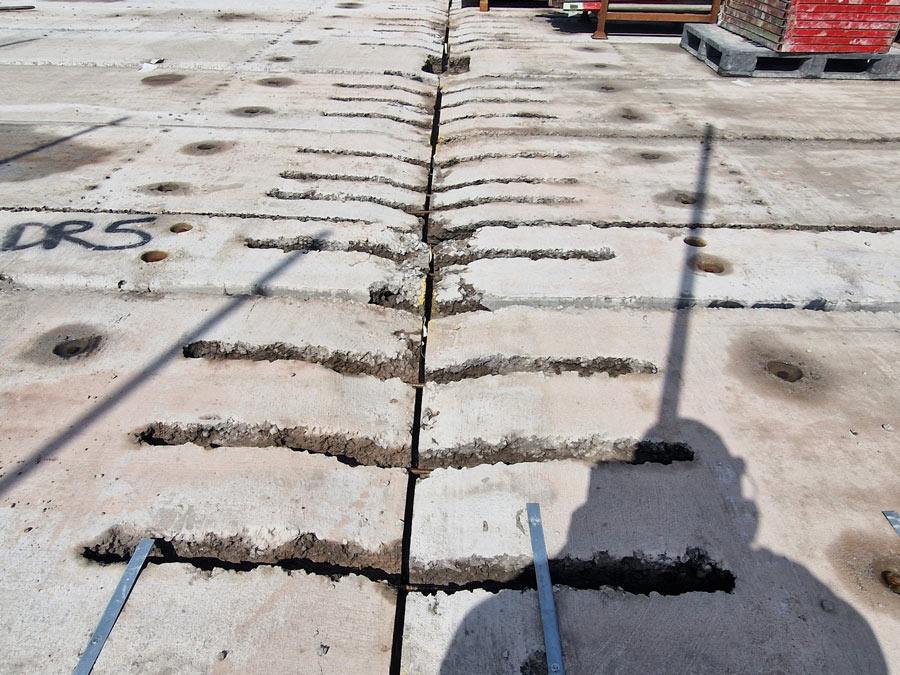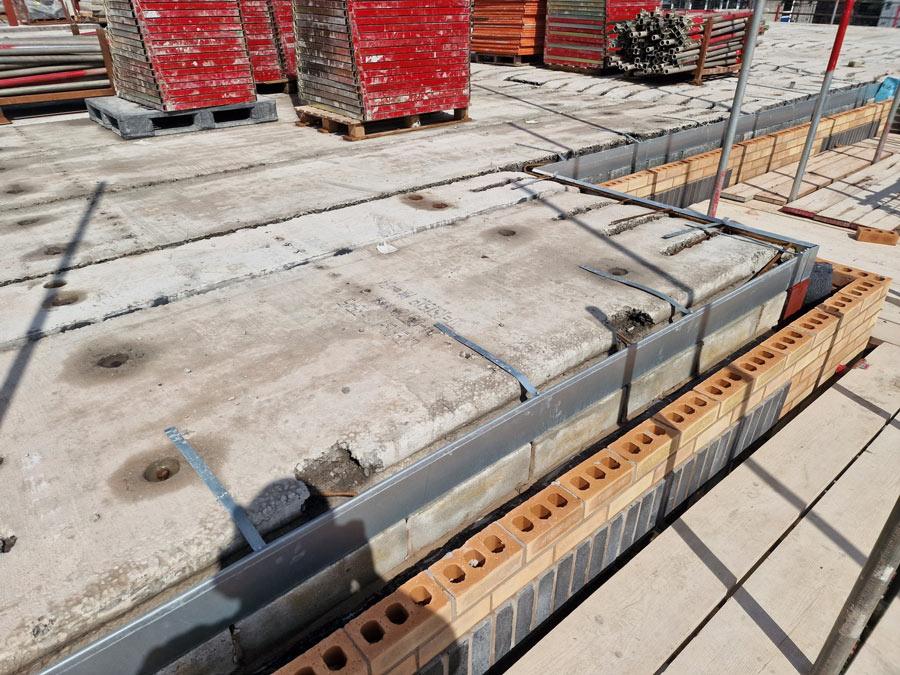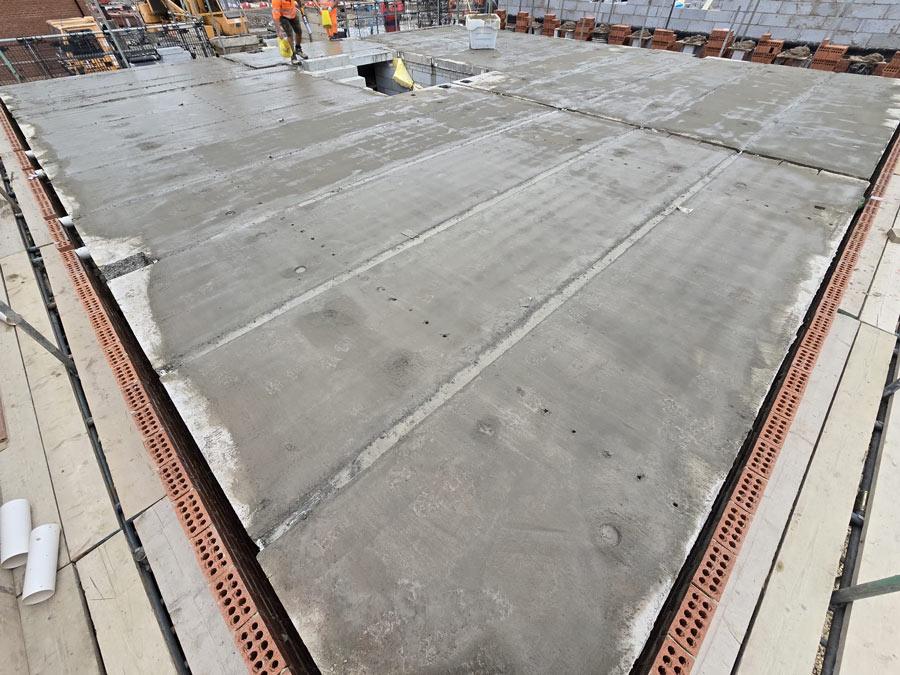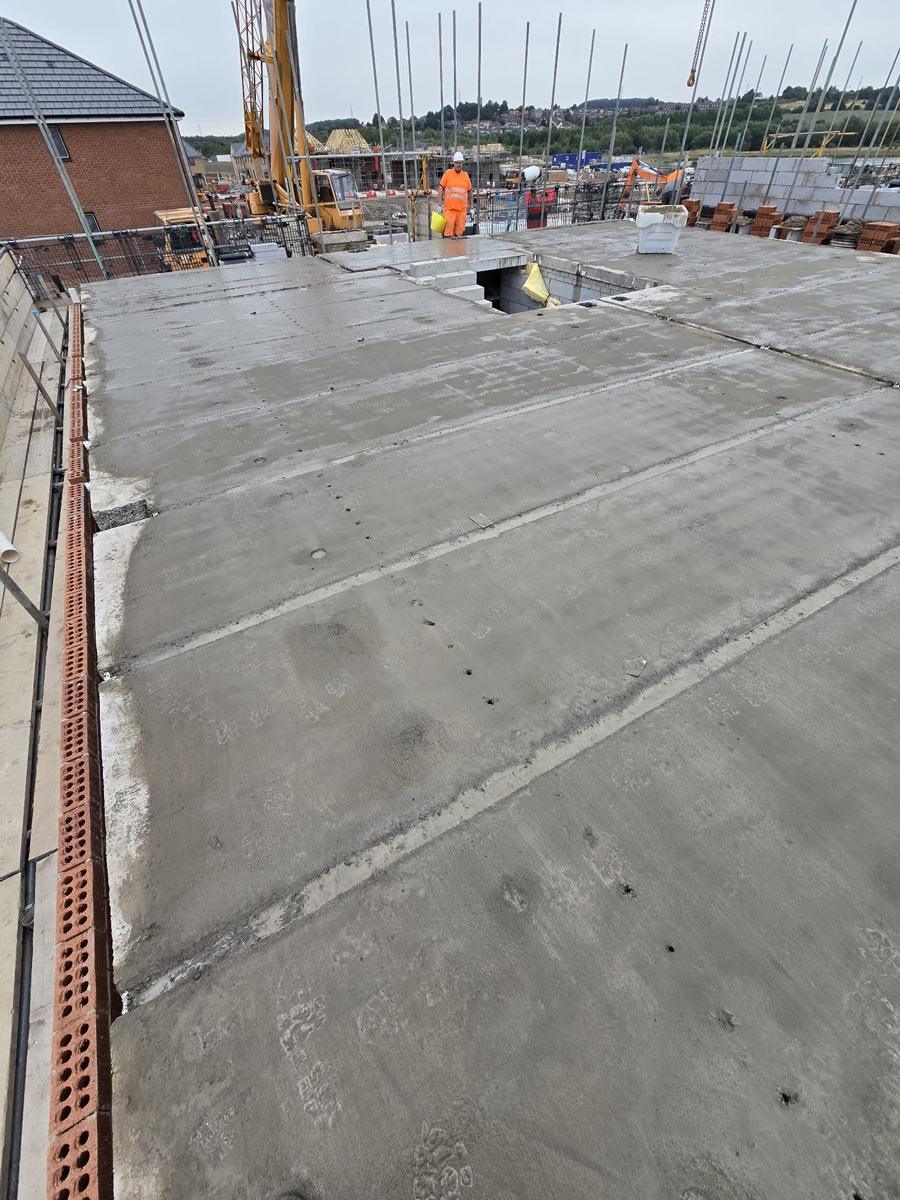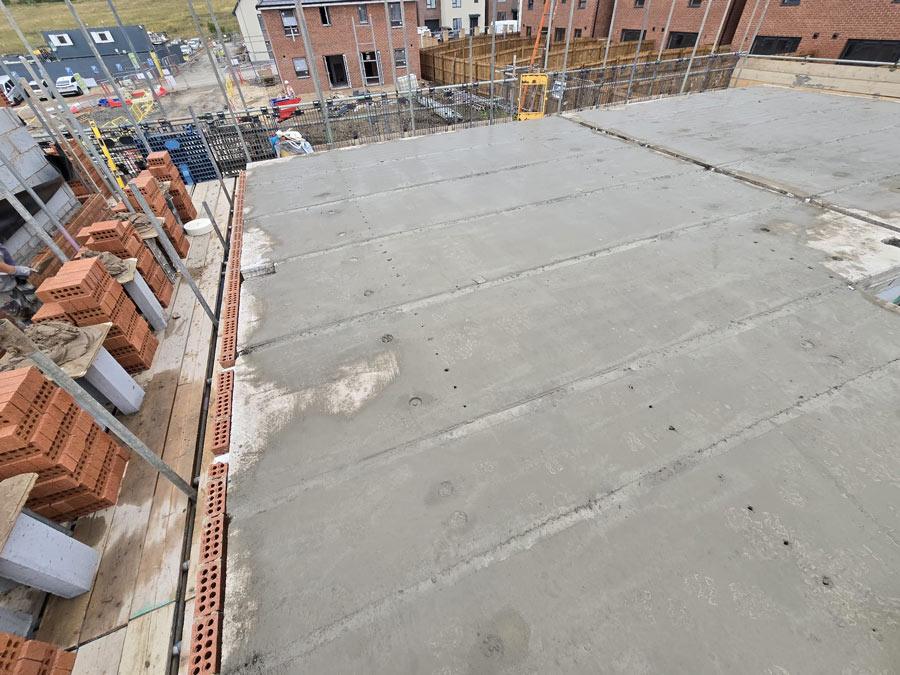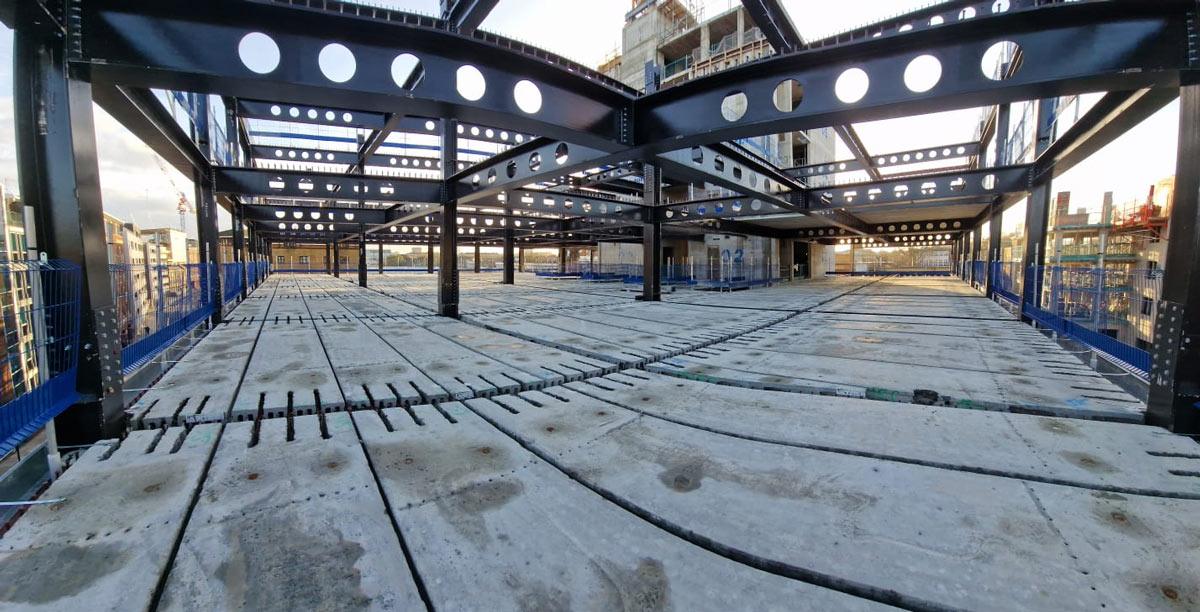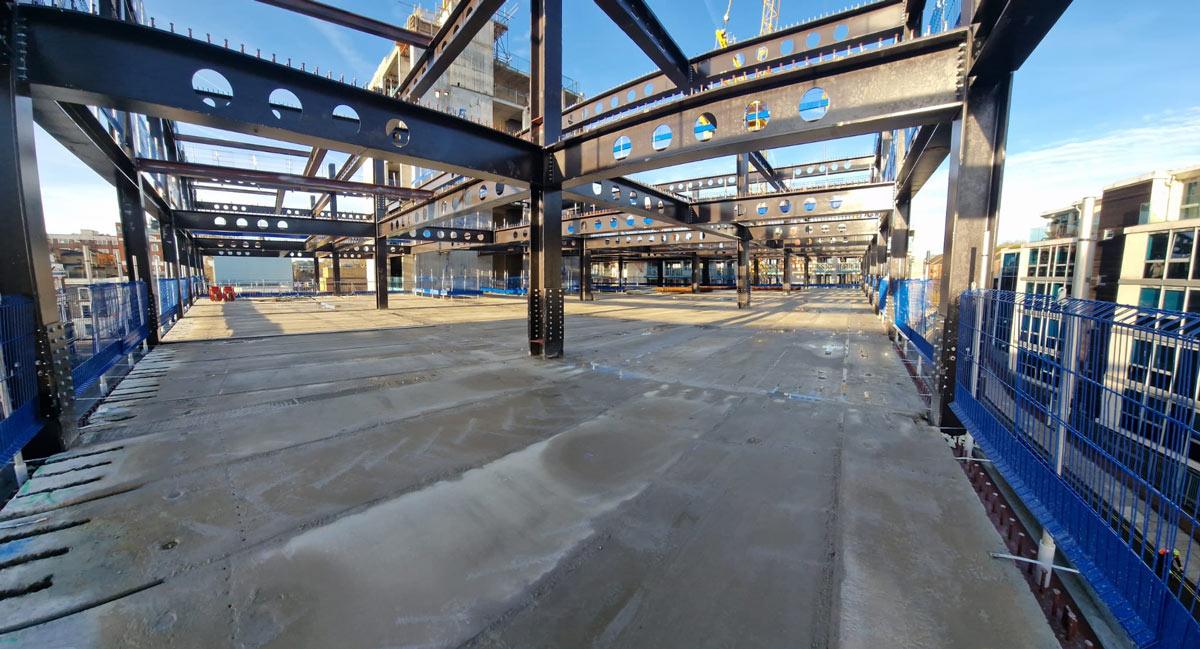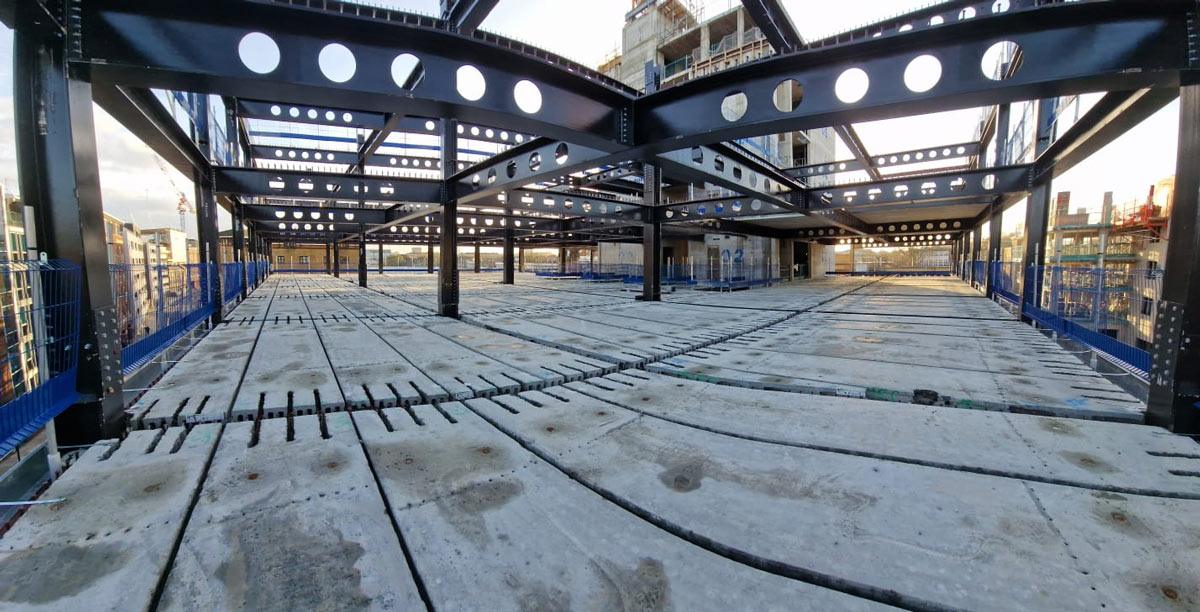
Our Pre Cast Installer service provides expert installation of precast concrete elements for construction projects of all sizes. With a skilled and fully certified team, SJA Precast ensures every unit is safely lifted, accurately positioned, and securely fixed to meet strict quality and safety standards. We work closely with site managers and crane operators to guarantee efficient operations, minimising downtime and delays. Our installers are experienced in handling complex structures, delivering precision and reliability on every project. Whether it’s beams, panels, stairs, or bespoke precast components, we provide a professional, dependable service that keeps your project moving forward.
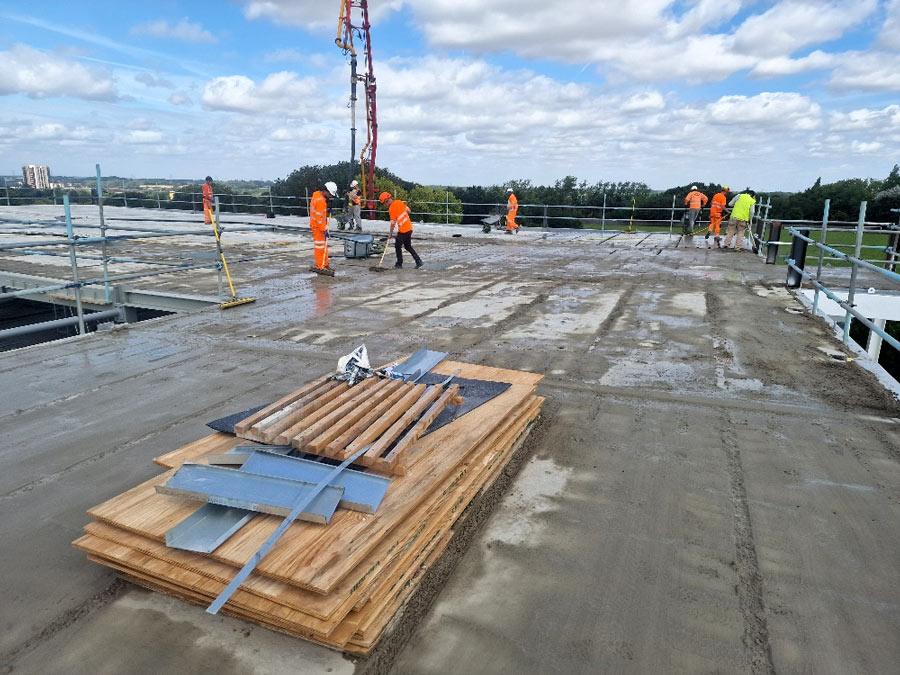
Wet works refer to construction activities involving the use of materials mixed with water, such as concrete, plaster, cement, and mortar. These tasks are essential in the early stages of building projects and play a crucial role in structural integrity. Typical wet works include bricklaying, plastering walls, screeding floors, and pouring concrete for foundations, columns, and slabs.
The quality of wet works directly affects the durability and finish of a building. Skilled tradespeople are required to ensure accurate mixing ratios, proper application techniques, and adequate curing times. Poorly executed wet works can lead to cracks, damp issues, and structural weaknesses, which are costly to repair.
Weather conditions must be considered when planning wet works. Rain or extreme cold can affect setting times and overall strength. Contractors often schedule such tasks during moderate weather and may use additives to speed up or slow down curing as required.
Wet works are labour-intensive and typically take longer to complete than dry trades like carpentry or electrical work. They also require careful coordination with other trades to avoid delays. In modern construction, there is growing interest in pre-cast elements and dry construction methods to reduce dependence on wet works and improve project efficiency.
Progressive collapse is a structural failure that occurs when a localised defect or damage leads to the collapse of an entire structure or a major part of it. This chain reaction happens when the load from a failed component is redistributed to other parts of the structure, which may not be designed to carry the additional load, resulting in further failures.
Several factors can trigger progressive collapse, including design flaws, poor construction practices, unexpected loads, material fatigue, or external events such as explosions, impacts, or earthquakes. Notable incidents, such as the collapse of the Ronan Point tower in London (1968), highlighted the devastating consequences of such failures and the need for robust structural design.
To prevent progressive collapse, engineers use design strategies that ensure redundancy and load redistribution capacity. This involves creating alternative load paths so that, if one part fails, the structure remains stable. Building regulations in the UK and elsewhere now include requirements for disproportionate collapse resistance, particularly for public or high-occupancy buildings.
The study of progressive collapse is a vital area in structural engineering. It underscores the importance of understanding failure mechanisms and the need for continuous improvement in design standards, material quality, and construction supervision to safeguard lives and property.
Precast concrete offers faster construction times, improved quality control, durability, and reduced on-site labour compared to in-situ concrete pouring.
We install a wide range of elements, including floor slabs, wall panels, beams, stairs, columns, and bespoke concrete units.
Yes. We use adjustable base plates and levelling techniques to ensure scaffolding is stable on sloped or uneven surfaces.
We coordinate closely with crane operators and can provide certified slinger signallers and crane supervisors to ensure safe and efficient lifting operations.
Yes, our experienced team is equipped to handle installations on projects of any height or complexity.
We strictly adhere to health and safety standards, using certified lifting gear, proper signalling, and safe working practices on every site.
We bring years of experience, a qualified team, strict safety compliance, and a commitment to completing every project on time and to the highest standards.